
table of contents
What Actually Happens Between Signing and Transfer: A Guide to the Conveyancing Process in South Africa
Most buyers and sellers know that a conveyancing attorney handles the paperwork side of a property sale. Fewer understand what that actually means in practice, what the attorney is doing in the weeks between signature and registration, and why transfers sometimes take longer than expected. This guide walks through each stage of the process so you know what to expect.
What Conveyancing Is and Why It Exists
Conveyancing is the legal process by which ownership of immovable property is formally transferred from one person to another and recorded in the national Deeds Registry. In South Africa, only a qualified conveyancer may attend to the registration of a property transfer. This is not a formality. The Deeds Office is the official record of who owns what property in South Africa, and the integrity of that system depends on having qualified attorneys verify that every document submitted for registration is legally correct and that the parties to each transaction are who they say they are.
The conveyancer is typically appointed by the seller, though in practice the appointment is often driven by the estate agent or the financial institution involved in the transaction.
Stage One: Opening the File and Gathering Information
Once the deed of sale has been signed and any suspensive conditions (usually bond approval) have been met, the conveyancer opens the transfer file. At this point, the attorney sends out a checklist of documents and information required from both buyer and seller. This includes identity documents, tax numbers, marital status details, FICA compliance documents, and information about any existing bond over the property.
Delays at this stage are common, and they are almost always caused by slow responses from the parties rather than by anything the attorney has or has not done. Responding promptly to the conveyancer’s requests is the single most effective thing buyers and sellers can do to keep a transfer on track.
Stage Two: Transfer Duty and SARS Clearance
Before a transfer can be lodged at the Deeds Office, the buyer must settle their transfer duty liability with SARS. Transfer duty is a tax on the acquisition of immovable property, and the rate depends on the purchase price. The conveyancer submits the transfer duty return online, and once the buyer pays the amount assessed, SARS issues a transfer duty receipt. That receipt is one of the documents required for Deeds Office lodgement.
What about VAT instead of transfer duty?
Where the seller is a VAT vendor and the property forms part of their business assets, VAT applies instead of transfer duty. This is common in commercial property transactions and new development sales. The conveyancer will confirm which tax applies early in the process.
Stage Three: Rates Clearance and Council Compliance
The municipality where the property is situated needs to confirm that all rates, taxes, and other charges on the property are up to date. The conveyancer applies for a rates clearance certificate on the seller’s behalf. Where outstanding amounts exist, the conveyancer typically arranges for these to be settled from the proceeds of the sale. Some municipalities are faster than others in issuing these certificates, and this can affect overall transfer timelines.
Stage Four: Preparing and Signing the Transfer Documents
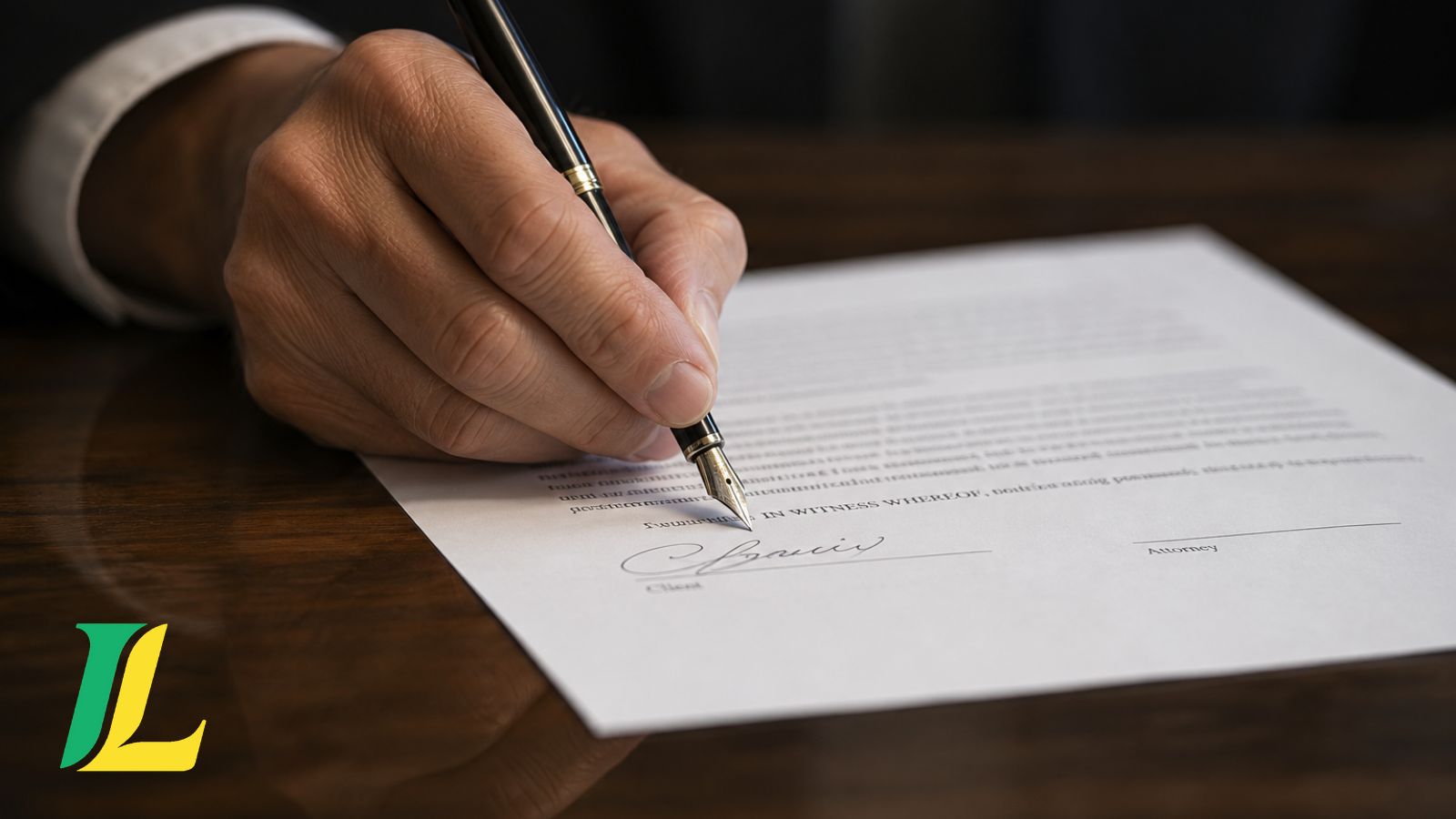
The conveyancer prepares the full set of documents required for Deeds Office lodgement. The most important of these is the deed of transfer itself, which formally records the change of ownership. Both buyer and seller sign the relevant documents in the attorney’s office. The conveyancer then examines everything before proceeding to lodgement.
What if the buyer has a bond?
Where the buyer is financing the purchase with a home loan, the bond registration must happen at the same time as the transfer. The bank appoints its own bond attorneys, who prepare and lodge the bond documents alongside the transfer documents. The two sets of documents are lodged simultaneously at the Deeds Office, which is a legal requirement for the registration to take effect on the same day.
Stage Five: Lodgement and Registration at the Deeds Office
Once all documents are in order and all financial requirements have been met, the conveyancer lodges the documents at the Cape Town Deeds Office. Deeds Office examiners check the documents for legal compliance before registration takes place. At the Cape Town Deeds Office, registration typically takes between seven and ten working days from lodgement, though this can vary.
On the date of registration, ownership formally passes from seller to buyer. The purchase price is released to the seller, and the buyer’s bond is registered against the title. The new title deed is issued in the buyer’s name.
Common Reasons Transfers Take Longer Than Expected
Most transfer delays trace back to one of a few recurring causes: slow FICA compliance from the buyer or seller, delays in SARS processing the transfer duty return, a municipality that is backlogged with rates clearance applications, or issues with the bond registration documents. Understanding this helps manage expectations on both sides of the transaction.
If your property transfer is taking longer than expected, or if you are buying or selling property in the Western Cape and want experienced attorneys managing the process from start to finish, contact Legal Services Cape Town.